Posts

Personal finance planning that helps you overcome financial crisis

Image
Personal Finance planning for better life leading: Financial planning can help individual to achieve financial goals and objectives. A proper financial planning is required for living a better life. Pic: A man preparing personal finance planning. Table of Contents What is Personal finance planning? Importance of Personal finance planning Steps involves in Personal finance planning Challenges in good personal finance planning Conclusion What is Personal finance planning? Personal financial planning is the process of managing one's individual or household finances in order to achieve financial goals and improve overall financial well-being. It involves creating a comprehensive plan that considers various aspects of personal finance, such as budgeting, saving, investing, managing debt, tax planning, retirement planning, and risk management. Importance of Perso...
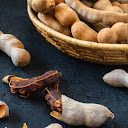

Tamarind Reduces Hypertension

Image
Tamarind in controlling high blood pressure: Tamarind is a spring seasonal sour fruit our country but is available throughout the year. Many people believe that eating tamarind is bad for health and causes bleeding. This idea is completely wrong. Tamarind has a lot of nutritional and herbal properties. Tamarind controls high blood pressure in the body and is very beneficial for heart patients. Kabiraji, Unani, Homeo and Allopathic medicines are prepared from tamarind. Tamarind is known as heart tonic. It belongs to Leguminaceae family. Tamarind fruit has acidic pulp. It can be eaten raw and can also be used to make jams, jellies, pickles, syrups and drinks. Tamarind contains sufficient amount of vitamins, fiber, potassium, magnesium and other essential elements. Tamarind is useful in the diseases like scurvy, indigestion, and inflammation of the body. Tamarind reduces blood cholesterol. It also reduces body fat. Consuming tamarind syrup is good for ...

Ntrca- āĻāϰ āύি⧟োāĻ— āĻ“ āĻāĻŽ.āĻĒি.āĻ“ āϜāϟিāϞāϤা

āĻāύāϟিāφāϰāϏিāĻāϰ āĻŽাāϧ্āϝāĻŽে āύি⧟োāĻ—āĻĒ্āϰাāĻĒ্āϤāĻĻেāϰ āĻāĻŽ.āĻĒি.āĻ“ āύি⧟ে āĻšā§Ÿāϰাāύিāϰ āĻļেāώ āĻ•োāĻĨা⧟ ? āĻ—āϤ āĻĢেāĻŦ্āϰু⧟াāϰিāϤে āĻāύāϟিāφāϰāϏিāĻāϰ āĻŽাāϧ্āϝāĻŽে āĻŦেāϏāϰāĻ•াāϰি āϏ্āĻ•ুāϞ-āĻ•āϞেāϜে āĻļিāĻ•্āώāĻ• āύি⧟োāĻ— āĻšā§Ÿ। āĻ•েāϟে āĻ—েāĻ›ে āĻ›ā§ŸāĻŽাāϏ। āĻ•িāύ্āϤু āĻĻেāĻ–া āĻ—েāĻ›ে āĻ…āύেāĻ•েāϰāχ āĻāĻ–āύো āĻāĻŽ.āĻĒি.āĻ“ āĻ­ুāĻ•্āϤ āĻšāϤে āĻĒাāϰেāύāύি। āϤাঁāĻĻেāϰ āϏাāĻĨে āĻ•āĻĨা āĻŦāϞে āϜাāύা āĻ—েāĻ›ে āϤুāϚ্āĻ› āĻ•াāϰāύে āĻŦাāϰ āĻŦাāϰ āĻĢাāχāϞ āϰিāϜেāĻ•্āϟ āĻšā§Ÿে āϝাāϚ্āĻ›ে । āĻ•āĻ–āύো āωāĻĒāϜেāϞা āĻĨেāĻ•ে, āĻ•āĻ–āύো āϜেāϞা āĻļিāĻ•্āώা āĻ…āĻĢিāϏ āĻĨেāĻ•ে, āφāĻŦাāϰ āĻ•āĻ–āύো āĻŦিāĻ­াāĻ— āĻĨেāĻ•ে। āĻāĻŽāύ āĻ…āĻŦāϏ্āĻĨা⧟ āĻŦিāύা āĻŦেāϤāύে āϚাāĻ•āϰি āĻ•āϰে āĻŽাāύāĻŦেāϤāϰ āϜীāĻŦāύāϝাāĻĒāύ āĻ•āϰāĻ›েāύ āĻ…āύেāĻ•ে। āĻļিāĻļিāϰ āĻ­াāχ (āĻ›āĻĻ্āĻŽāύাāĻŽ) āĻ—āϤ āύি⧟োāĻ—ে āύি⧟োāĻ— āĻĒ্āϰাāĻĒ্āϤ āĻšāύ। āĻāϰāĻĒāϰ āϤিāύি āĻāĻŽ.āĻĒি.āĻ“āϰ āϜāύ্āϝ āϤিāύāĻŦাāϰ āφāĻŦেāĻĻāύ āĻ•āϰেāĻ“ āĻāĻŽ.āĻĒি.āĻ“ āĻ­ুāĻ•্āϤ āĻšāϤে āĻĒাāϰেāύ āύি। āĻāĻ–āύ āϤিāύি āĻĒুāϰো āĻšāϤাāĻļ। āϤিāύি āφāĻ•্āώেāĻĒ āĻ•āϰে āĻŦāϞেāύ āĻŽāĻšাāύ āĻĒেāĻļা⧟ āĻāϏে āĻļেāώ āĻĒāϰ্āϝāύ্āϤ āύা āφāĻŦাāϰ āĻĒāϰিāĻŦাāϰ āύি⧟ে āύা āĻ–ে⧟ে āĻĨাāĻ•āϤে āĻšā§Ÿ । āĻāĻŽ.āĻĒি.āĻ“āϰ āύাāĻŽে āφāϰ āĻ•āϤāĻ•াāϞ āĻŦেāϏāϰāĻ•াāϰি āĻļিāĻ•্āώāĻ•āĻĻেāϰ āĻšā§Ÿāϰাāύি āĻšāϤে āĻšāĻŦে āϤা āĻ•েāω āĻŦāϞāϤে āĻĒাāϰে āύা। āϏāϰāĻ•াāϰি āĻ­াāĻŦে āϝেāĻšেāϤু āύি⧟োāĻ— āĻšā§ŸেāĻ›ে āϏেāĻšেāϤু āĻŦেāϤāύ āύি⧟ে āĻāϤ āĻাāĻŽেāϞাāϰ āĻ•াāϰāύ āĻ•িāχāĻŦা āĻšāϤে āĻĒাāϰে āĻāχ āĻĄিāϜিāϟাāϞ āĻŦাংāϞাāĻĻেāĻļে āφāĻŽাāĻĻেāϰ āĻŽāϤ āϏাāϧাāϰāύ āĻŽাāύুāώেāϰ āĻŽাāĻĨা⧟ āĻĸুāĻ•ে āύা। āϝāĻĨাāϝāĻĨ āĻ•āϰ্āϤৃāĻĒāĻ•্āώেāϰ āĻ•াāĻ›ে āϏāĻŦিāύ⧟ āφāĻŦেāĻĻāύ āϝেāύ āĻāĻŽ.āĻĒি.āĻ“ āϜāϟিāϞāϤা āύিāϰāϏāύে āϝāĻĨাāϝāĻĨ āĻŦ্āϝāĻŦāϏ্āĻĨা āĻ—্āϰāĻšāĻŖ āĻ•āϰে āĻļিāĻ•্āώāĻ•...

āĻŦাāĻšাāϰāωāĻĻ্āĻĻিāύেāϰ āĻ•āύে āĻĻেāĻ–া

āĻ•āύে āĻŦা⧜িāϤে āĻŦাāĻšাāϰāωāĻĻ্āĻĻিāύ āφāĻĒāύাāĻĻেāϰ āĻšā§ŸāϤো āĻŽāύে āφāĻ›ে āĻāϰ āφāĻ—েāĻ“ āĻŦাāĻšাāϰāωāĻĻ্āĻĻিāύāĻ•ে āύি⧟ে āϞিāĻ–েāĻ›িāϞাāĻŽ। āϤাāϰ āĻŦাāĻšাāϰী āĻ•াāϰ্āϝāĻ•āϞাāĻĒ āĻ•াāϰāĻ“ āĻ…āϜাāύা āύ⧟। āĻāĻŦাāϰ āĻšā§ŸেāĻ›ে āφāϰ āĻāĻ•āϟি āĻŽāϜাāϰ āϘāϟāύা । āĻ•াāĻŽাāϞ āĻ­াāχ, āĻŦাāĻšাāϰāωāĻĻ্āĻĻিāύেāϰ āĻ•āϞিāĻ—, āĻ…āĻĢিāϏে āĻ—ি⧟ে āĻŦাāĻšাāϰāωāĻĻ্āĻĻিāύāĻ•ে āĻ–োঁāϜে āĻĒাāϚ্āĻ›েāύ āύা । āϤিāύি āĻŦিāώ⧟āϟি āύি⧟ে āϚিāύ্āϤিāϤ । āĻ›োāϟ āĻ­াāχ āĻšিāϏেāĻŦে āĻŦাāĻšাāϰāωāĻĻ্āĻĻিāύāĻ•ে āĻ…āύেāĻ• āϏ্āύেāĻš āĻ•āϰেāύ, āĻ­াāϞ- āĻŽāύ্āĻĻ āĻ–োঁāϜ āĻ–āĻŦāϰ āϰাāĻ–েāϰ। āĻĒāϰে āĻ…āĻĢিāϏেāϰ āĻ…āύ্āϝ āĻ•āϞিāĻ—েāϰ āĻ•াāĻ›ে āϜাāύāϤে āĻĒাāϰেāύ āĻŦাāĻšাāϰāωāĻĻ্āĻĻিāύ āĻ•āύে āĻĻেāĻ–াāϰ āϜāύ্āϝ āĻ›ুāϟি āύি⧟েāĻ›ে। āĻŦাāĻšাāϰāωāĻĻ্āĻĻিāύেāϰ āĻŦ⧟āϏেāϰ āĻ•āĻĨা āύিāĻļ্āϚ⧟āχ āφāĻĒāύাāĻĻেāϰ āĻŽāύে āφāĻ›ে। āĻĒ্āϰা⧟ āφāϟāϤ্āϰিāĻļ āĻšāĻŦে। āĻŦিāĻ•েāϞেāϰ āĻĻিāĻ•ে āĻ•াāĻŽাāϞ āĻ­াāχ āĻŦাāĻšাāϰāωāĻĻ্āĻĻিāύāĻ•ে āĻĢোāύ āĻĻিāϞেāύ āĻ–োঁāϜ āύেāĻ“ā§Ÿাāϰ āϜāύ্āϝ । āϤিāύি āĻŦাāĻšাāϰāωāĻĻ্āĻĻিāύāĻ•ে āĻŦāϞāϞেāϞ, āĻ•িāĻŦ্āϝাāĻĒাāϰ āĻŦাāĻšাāϰāωāĻĻ্āĻĻিāύ , āĻ•ি āĻ–āĻŦāϰ? āĻĒাāϤ্āϰী āĻĒāĻ›āύ্āĻĻ āĻšā§ŸেāĻ›ে? āĻŦাāĻšাāϰāωāĻĻ্āĻĻিāύ āϝা āĻŦāϞāϞ āϤাāϤে āĻ•াāĻŽাāϞ āĻ­াāχ āϏāĻš āφāĻŽāϰা āϏāĻŦাāχ āĻšাāϏāϤে āĻšাāϏāϤে āĻļেāώ। āĻŦাāĻšাāϰāωāĻĻ্āĻĻিāύেāϰ āϘāϟāύাāϟা āĻ›িāϞ āĻāϰāĻ•āĻŽ, āφāĻ—েāϰ āĻĻিāύ āĻ…āĻĢিāϏ āĻĨেāĻ•ে āĻ›ুāϟি āύি⧟ে āϰেāĻ–েāĻ›ি āĻĒাāϤ্āϰী āĻĻেāĻ–āϤে āϝাāĻŦ āĻŦāϞে। āĻŦ⧜ āĻŦোāύ āφāϰ āĻ­াāĻ—āύেāĻ•ে āĻĢোāύ āĻĻিāϞাāĻŽ āϤোāĻŽাāϰা āϏāĻ•াāϞ āϏāĻ•াāϞ āϚāϞে āĻāϏো āĻāĻ• āϜা⧟āĻ—া⧟ āĻĒাāϤ্āϰী āĻĻেāĻ–āϤে āϝাāĻŦ । āφāĻĒা āĻŦ⧜ āĻ­াāĻ—āύে āĻŽāύিāϰ āĻ•ে āύি⧟ে āϏāĻ•াāϞেāχ āϚāϞে āφāϏāϞেāύ। āĻŽāύিāϰ āĻŦ⧜ āφāĻĒাāϰ āĻŦ⧜ āĻ›েāϞে। āĻŽাāϤ্āϰ āĻŦি,āĻāϏ,āϏি āχāĻž্āϜিāύি⧟াāϰিং āĻļেāώ āĻ•āϰে āĻŽোāϟাāĻŽুāϟি āĻāĻ•āϟা...

āĻ—্āϰাāĻŽ āĻŦাংāϞাāϰ āϞোāĻ•āĻ•āĻĨা āĻĒāĻž্āϚāĻŽ āĻĒāϰ্āĻŦ

Image
āĻ—্āϰাāĻŽ āĻŦাংāϞাāϰ āĻ—āϞ্āĻĒ āĻĒ্āϰাāĻĨāĻŽিāĻ• āĻŦিāĻĻ্āϝাāϞ⧟েāϰ āĻĒাāĻļ āĻĻি⧟ে āĻŦ⧟ে āϚāϞা āύāĻĻী, āĻŦāϰ্āώাāϰ āϜāϞে āϟāχāϟāĻŽ্āĻŦুāϰ āĻšā§Ÿে, āĻĻুāĻ•োāϞ āωāĻĒāϚে āωāĻ ে āφāϏে āĻŦāϏāϤāĻŦা⧜িāϰ āĻ•াāĻ›ে, āĻāĻŽāύ āĻāĻ•āϟা āĻ—্āϰাāĻŽেāϰ āĻ—āϞ্āĻĒ āφāϜ āϞিāĻ–āϤে āϝাāϚ্āĻ›ি। āĻāĻ•āϟি āĻŦাāϜাāϰ āĻ•ে āĻ•েāύ্āĻĻ্āϰ āĻ•āϰে āϚাāϰāϟি āϰাāϏ্āϤা āĻāĻ•āϤ্āϰে āĻŽিāϞিāϤ āĻšā§Ÿে āϚৌāϰাāϏ্āϤা āϤৈāϰি āĻšā§ŸেāĻ›ে । āĻāχ āϚৌāϰাāϏ্āϤাāϰ āϚাāϰ āϰাāϏ্āϤাāϰ āĻĒাāĻļ āĻ—িāϰে āĻ—্āϰাāĻŽāϟি āĻŦৃāϏ্āϤিāϤ । āĻĢāϏāϞ āϞাāĻ—াāύোāϰ āϏāĻŽā§Ÿ āϏāĻŦুāϜ, āφāϰ āĻĢāϏāϞ āϘāϰে āϤোāϞাāϰ āϏāĻŽā§Ÿ āϏোāύাāϞী āφāĻ­া āϝেāύ āωāĻĒāϚে āĻĒ⧜ে। āϚৌāϰাāϏ্āϤা⧟ āĻ—ā§œে āωāĻ া āĻŦাāϜাāϰ āĻ—্āϰাāĻŽāϟিāϰ āĻĒুāϰāύো āϐāϤিāĻš্āϝ । āĻŦাāϜাāϰে āϏāĻŦāϰāĻ•āĻŽ āĻĒ্āϰ⧟োāϜāύী⧟ āĻĻ্āϰāĻŦ্āϝাāĻĻিāϰ āĻĻোāĻ•াāύ āĻĨাāĻ•াāϰ āĻ•াāϰāύে āφāĻļেāĻĒাāĻļেāϰ āϝে āϏāĻŦ āĻ—্āϰাāĻŽে āĻŦাāϜাāϰ āύেāχ āϤাāϰাāĻ“ āĻ›ুāϟে āφāϏে āύিāϤ্āϝ āĻĒ্āϰ⧟োāϜāύী⧟ āϜিāύিāϏāĻĒāϤ্āϰ āĻ•্āϰ⧟āĻ•āϰাāϰ āϜāύ্āϝ । āϏাāϰাāĻĻিāύেāϰ āĻ•াāϜ āĻļেāώে āĻŦাāϜাāϰে āϚা⧟েāϰ āĻĻোāĻ•াāύে āφāĻĄ্āĻĄাāĻ“ āĻŦেāĻļ āϜāĻŽি⧟ে āĻĻে⧟ āĻ—্āϰাāĻŽেāϰ āĻŽাāύুāώ । āϤাāĻĻেāϰ āφāĻĄ্āĻĄা⧟ āφāϏāϞে āĻāϞাāĻ•াāϰ āϏāĻŦ āĻ–āĻŦāϰ āĻĒাāĻ“ā§Ÿা āϝা⧟। āĻ—্āϰাāĻŽে āωāϚ্āϚ āĻŽাāϧ্āϝāĻŽিāĻ• āĻ“ āĻĒ্āϰাāĻĨāĻŽিāĻ• āĻŦিāĻĻ্āϝাāϞ⧟ āĻĨাāĻ•া⧟ āĻ•āĻŽāĻŦেāĻļি āϏāĻ•āϞেāχ āϤাāĻĻেāϰ āĻ›েāϞেāĻŽে⧟েāĻĻেāϰ āĻ…āύ্āϤāϤঃ āĻŽাāϧ্āϝāĻŽিāĻ• āĻļ্āϰেāĻŖী āĻĒāϰ্āϝāύ্āϤ āĻĒ⧜াāϤে āĻĒাāϰে। āĻ—্āϰাāĻŽে āφāϧুāύিāĻ• āϏāĻ­্āϝāϤাāϰ āĻ›োঁ⧟া āϞাāĻ—āϤে āĻļুāϰু āĻ•āϰেāĻ›ে । āφāϏāϞে āĻŦিāĻĻ্āϝুā§Ž āφāϏাāϰ āĻĒāϰāχ āĻ—্āϰাāĻŽেāϰ āϚেāĻšাāϰা āϘুāϰে āϝা⧟ । āĻ—্āϰাāĻŽেāϰ āĻĒ্āϰা⧟ āϏāĻŽ্āĻĒূāϰ্āĻŖ āĻ…ংāĻļে āĻŽুāϏāϞāĻŽাāύāĻĻেāϰ āĻŦাāϏ āĻšāϞে...

Cell

Image
Cell- The smallest unit that can live on its own and that makes up all living organisms and the tissues of the body: Robert Hooke (1635-1703) in 1665 made thin section of wood cork and observed them under a microscope. He found there numerous little boxes like bee hives. Then he remembered seeing such small rooms for the priests to stay in the monastery. From this, he named the cork’s little box as “cell”. The word cell is derived from the Latin word cellula, means little box. Pic: Cell, Photo Credit: freepik. Table of Contents Deffinition Characteristics Types Structure Function Deffinition Different scientist defined cell with different definitions. Some of them noted below According to Jean Bracket (1961), ‘Cell is the basic structural unit of an organism.’ According to Loewy and Siekevitz (1963), a cell is a unit of biological activi...

Plasmid

Image
What is Plasmid? A plasmid is a small double stranded circular DNA molecule found in bacteria andsome other microorganism. Plasmids are extra-chromosomal DNA, that means the are physically separate from chromosomal DNA. Replication of chromosome in unrelated to bacterial chromosome replication. Pic: Plasmid, Photo Credit: freepik. Plasmids are used in recombinant DNA technology as a carrier of target gene. In nature, plasmids frequently carry genes that aid in the survival of the organism and provide selective advantage such as antibiotic resistance. Artificial plasmids are readily used as vectors in molecular cloning, aiding to operate the replication of recombinant DNA sequences within host organisms. By the process of transformation, plasmid may be uptake by a bacterial cell . Now-a- days synthetic plasmids are also found commercially over the e-commerce market.